What we have learned, written down.
Every one of these started as a call from somebody who did not see it coming. They are here so the next person does.
322 articles · page 3 of 14

Why ransomware hits even businesses with backups
Most business owners feel safe knowing their backups are there. What they don't know is that for a growing number of ransomware victims, the backups were already gone before the ransom note ever appeared. Read on to find out how that happens, and what it means for you.

If staff use AI without guidance, risks follow.
If your staff have access to AI tools and you haven't given them any guidance, the safe assumption is they're already using them. This month we're looking at what that means for your business and what good oversight actually looks like.

Early hard drive failure signs most people miss.
Most people assume a dying hard drive makes itself obvious. It usually doesn't. This month we're covering the early signs most people miss, and why acting quickly makes all the difference.

Proving security matters as much as having it.
Most businesses have some security in place. Very few can actually prove it when someone asks. This month's article covers what "reasonable security" means in a legal context and why the documentation matters just as much as the measures themselves.

Why the cheapest IT quote often costs the most.
When two IT quotes land on your desk and one is notably cheaper, the instinct is to ask what the expensive one is charging for. The better question is what the cheap one has left out. Read this month's article to find out.

Morning battery drain? It's usually not the laptop.
Is your laptop struggling to make it past morning tea? Before you start shopping for a new one, it's worth knowing that in most cases, the laptop is fine. It's just the battery. This month's article breaks down why it happens and what to do about it.

Personal device on your network: hidden risks.
Your newest employee connected their personal device to your network today. Nobody told them not to. Here is what that means.
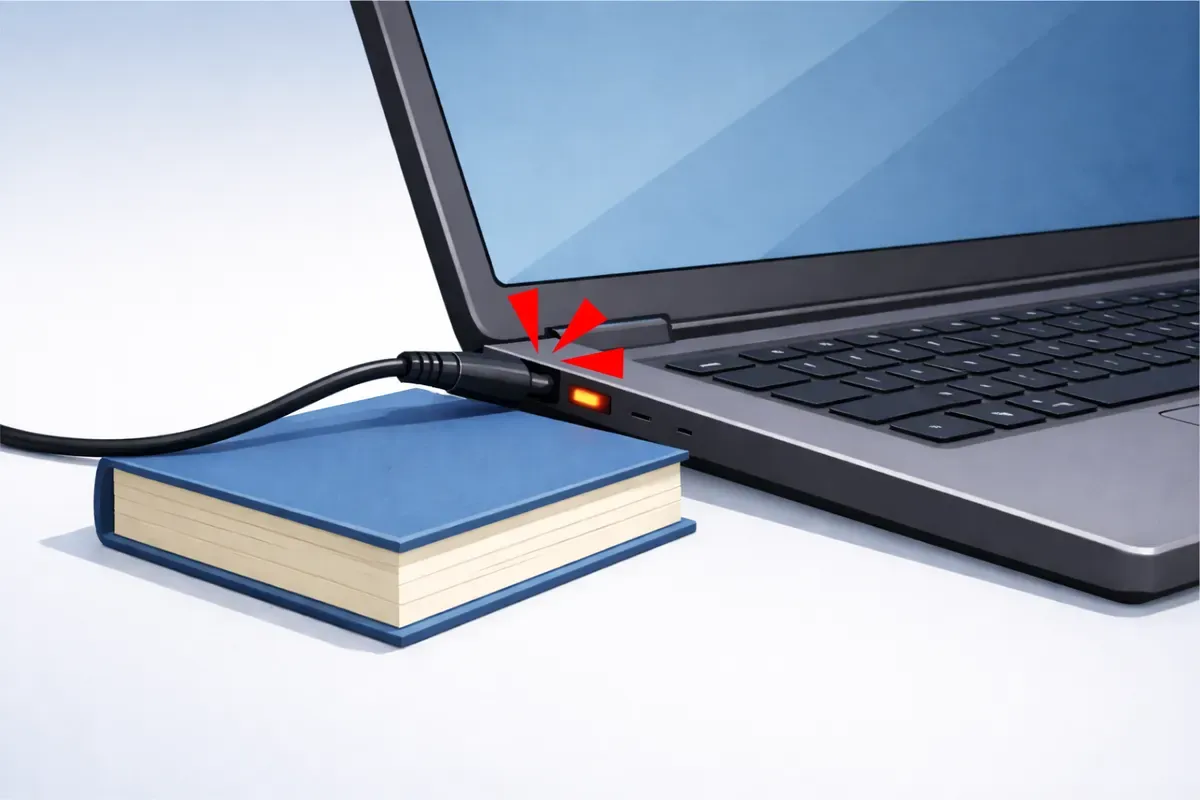
The warning behind bad chargers
Most people have dealt with a charger that only works when it’s held at a strange angle. It gets propped up with a book, adjusted just right, and left alone so it doesn’t lose connection. What seems like a small annoyance is usually a warning sign of something failing.

Stop IT pauses before they become problems
You know that moment in a meeting where someone asks a simple question about your IT, and the room goes just a little quiet. It only lasts a second or two, but it sticks. This article breaks down why that pause matters, and how to make sure it never happens again.
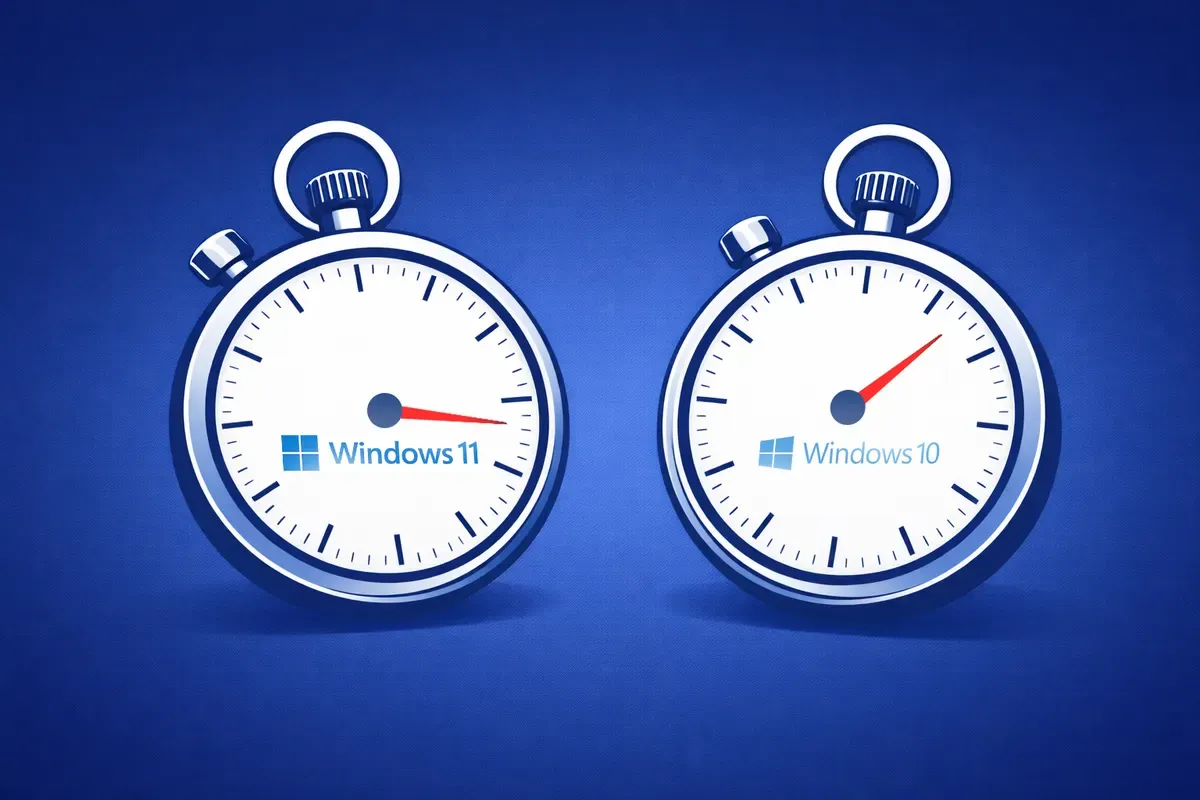
Why Windows 11 feels slower
Upgraded to Windows 11 and now your computer feels slower? There’s a reason for that. Here’s what changed, and how we fix it.

Know what tech you actually bought
You just bought the business. The keys are in your hand. But do you actually know what you bought when it comes to the tech?

Could ransomware take you down too
The business down the road just got hit with ransomware. They had antivirus. They had passwords. They thought they were fine. Now they’re rebuilding from paper. If that happened to you tomorrow, how different would your situation really be?

When updates break your systems
You walk into the office expecting a normal day. Instead, nothing works quite right. No one touched a thing. No one clicked anything suspicious. Yet the problems are real. This article explains what is really going on behind the scenes, and why it keeps catching businesses off guard.

Calm comes from clarity, not fewer IT issues.
Most business owners are not stressed because IT is broken. They are stressed because they do not know which issue will be the one that actually matters. Read the full article to see why calm comes from knowing, not from fewer problems.

That door cam is also a computer on your network.
That door camera out front feels harmless once it is installed. What most people miss is that it is also a computer sitting on your network, quietly doing its thing.

Scams now start normal and lure you by phone.
Scams rarely start with a big red flag anymore. Many now begin with a normal email and end with a phone call that sounds completely legitimate. This article explains the new pattern and how people get caught without realizing it.

Real risk is broad access, not computer failure.
Most business computers work just fine. The risk is not failure, it is how much access everyone quietly has. This article explains why that matters and what to review.
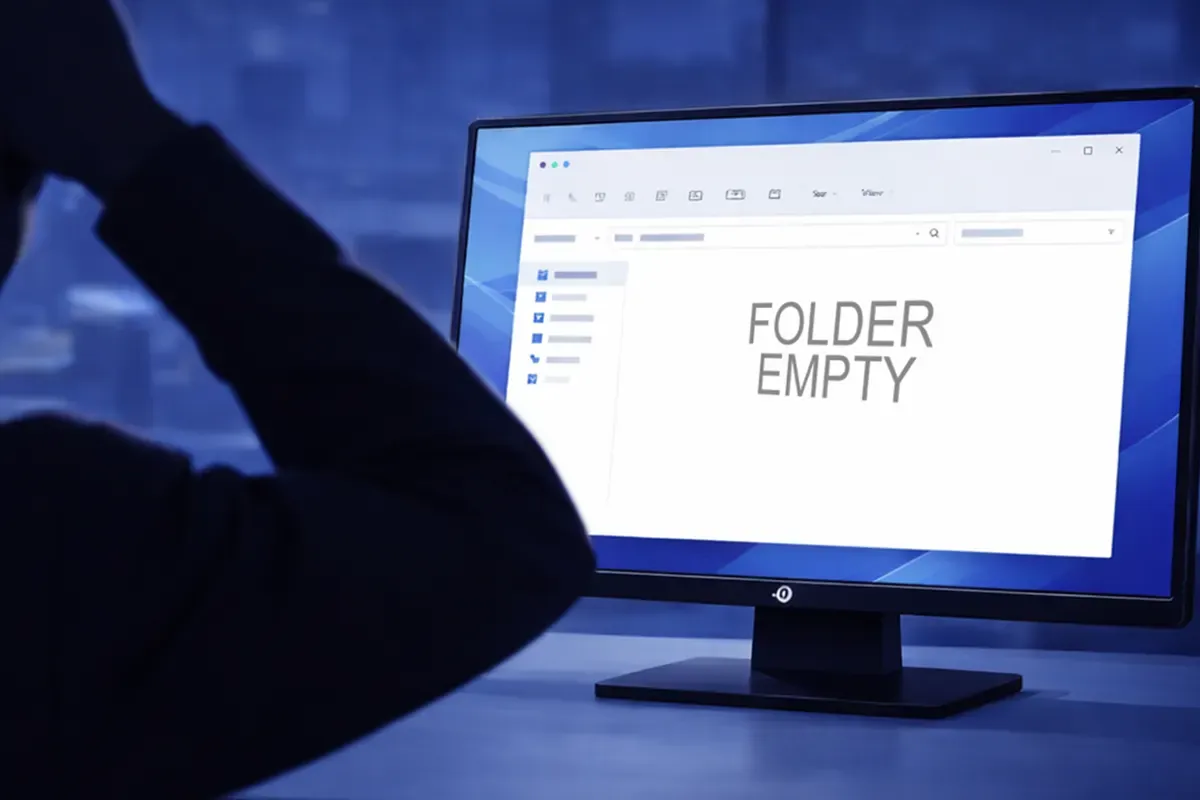
Why files vanish in small businesses and signal deeper.
Ever had a file disappear and nobody can explain how? Not hacked, not deleted on purpose, just quietly gone. This is about why that keeps happening in small businesses, and why it usually points to a bigger problem hiding underneath.

Temporary file shares become long‑term risks.
Temporary file access almost never gets cleaned up. What starts as a quick share quietly turns into long-term exposure as files grow and people move on. This article explains why it happens and how to stop it before it becomes a real problem.
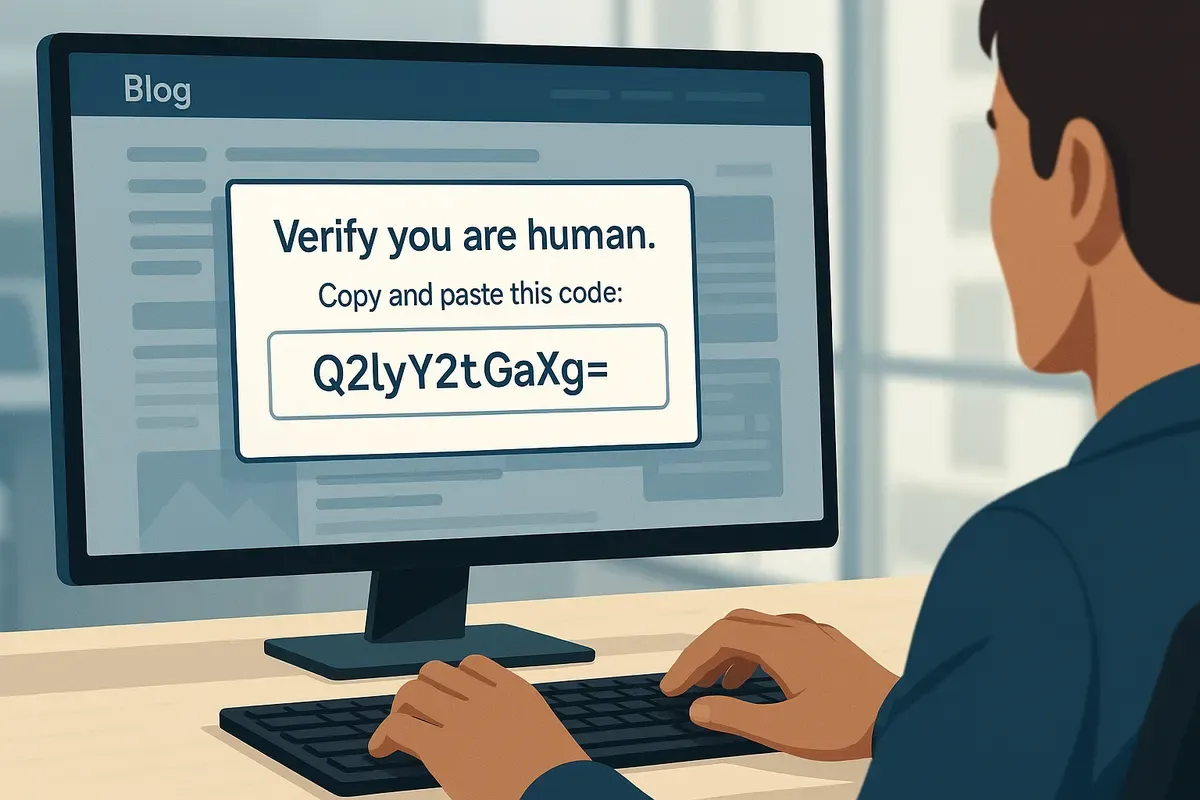
ClickFix attack that doesn’t look like a scam at all.
Most people know not to download suspicious files anymore. The problem is the scams have adapted. There’s a newer version of the ClickFix attack that doesn’t look like a scam at all. It looks like something you already trust. This one catches people off guard, and that’s what makes it dangerous.
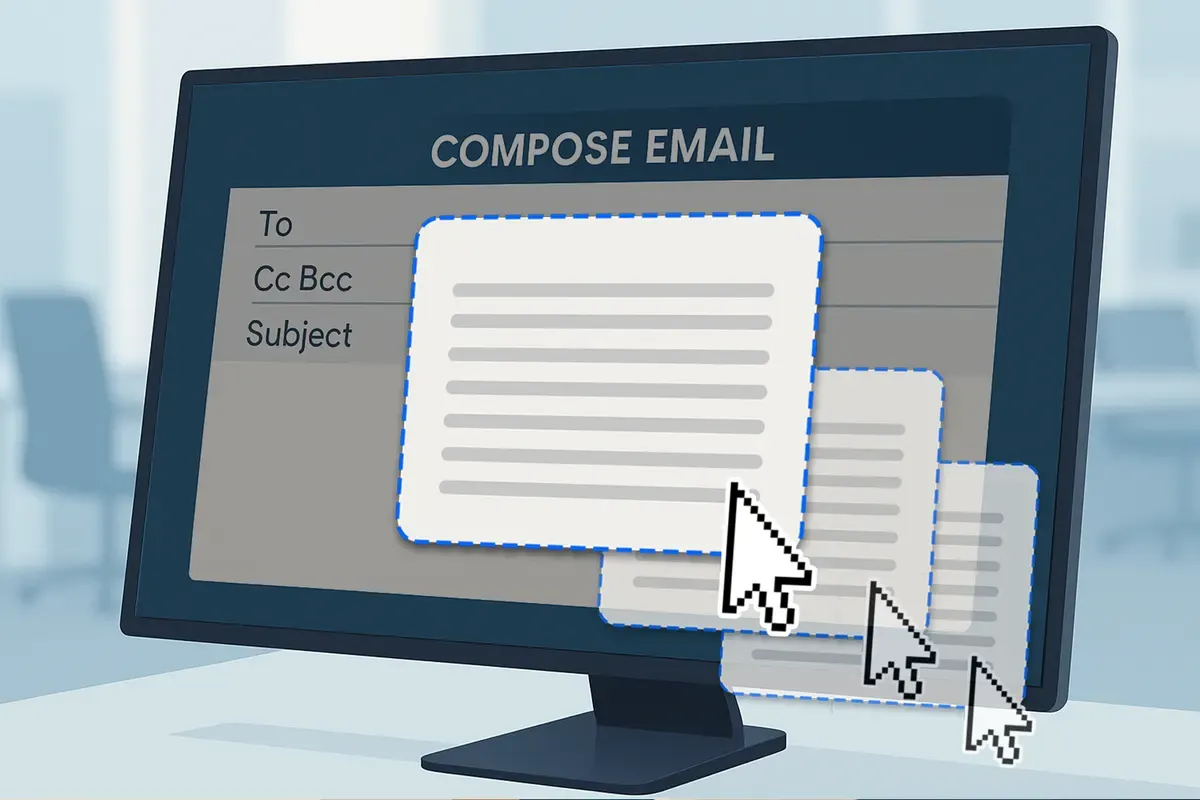
Email templates are useful and save time.
Email usually works well enough that no one questions it. But small habits inside the inbox can quietly stretch the workday longer than it needs to be. This article looks at one simple change that removes repeated effort without changing how anyone works.

Small businesses are just at risk as large businesses.
Small businesses often assume the biggest risks belong to the biggest companies. The reality is the threats are the same, but the margin for error is far smaller. This article explains why.

Letting staff use their own devices is risky.
Letting staff use their own phones or laptops for work feels convenient, until you look at it through a compliance lens. If that’s something you haven’t thought about yet, this is worth a quick read.

Shared inboxes are not what they used to be.
Most shared inboxes were set up years ago and never questioned. They still work, but not as well as people think. Missed emails, unclear ownership, and awkward follow ups are usually symptoms of the same issue. This article breaks it down.