Written for the person who signs for it.
Not how the technology works. What it does to a business when it stops, and what the decision in front of you is actually worth.
230 articles · page 1 of 10
The Bad Website Never Loads
A wrong click should end at a blocked page. Web filtering looks a site up before your computer loads it, so the download never starts.

Attackers Now Move in Days. Your Firewall Updates in Months.
Artificial intelligence lets attackers turn a new software flaw into an attack in about two days. Firewalls and routers are usually patched last.
Give an AI Agent a New Hire's Access, Not Yours
AI agents such as Claude and ChatGPT can now delete files and send email on your behalf. Limit what each one can reach before the first mistake does it for you.
Your Computers Work. That Does Not Mean They Are Protected.
A business network can run smoothly for years while updates fail, backups stop and old logins stay open. Nothing on screen warns you when protection stops.
Your Second Location Is the Easiest Way Into Your First
A rushed second site with fewer staff and nobody technical becomes the weak door into the main office. Build both locations to one standard from day one.

A Perfect Copy of Your Login Page Still Gets Nothing From a Passkey
Six-digit codes protect you until a fake page asks for one. Passkeys check the address before they answer, and now take a single tap on an Android phone.

Your Firewall Is the Front Door Now, Not Your Inbox
The fastest way into a business is no longer a bad click. It is the device at the edge of the network, running code nobody has looked at.
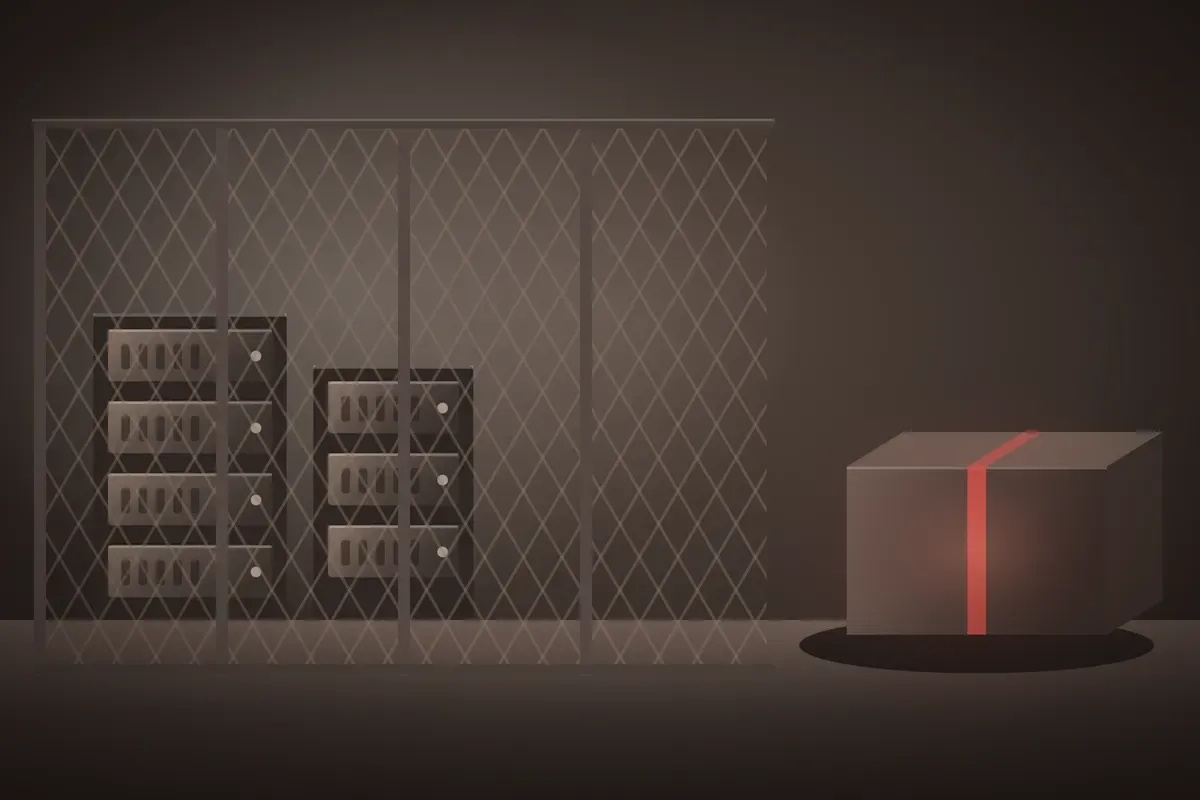
Nobody Defends What Nobody Planned For
A purchase made outside the usual process arrives outside everything else too. No inventory, no controls, company data by Friday.
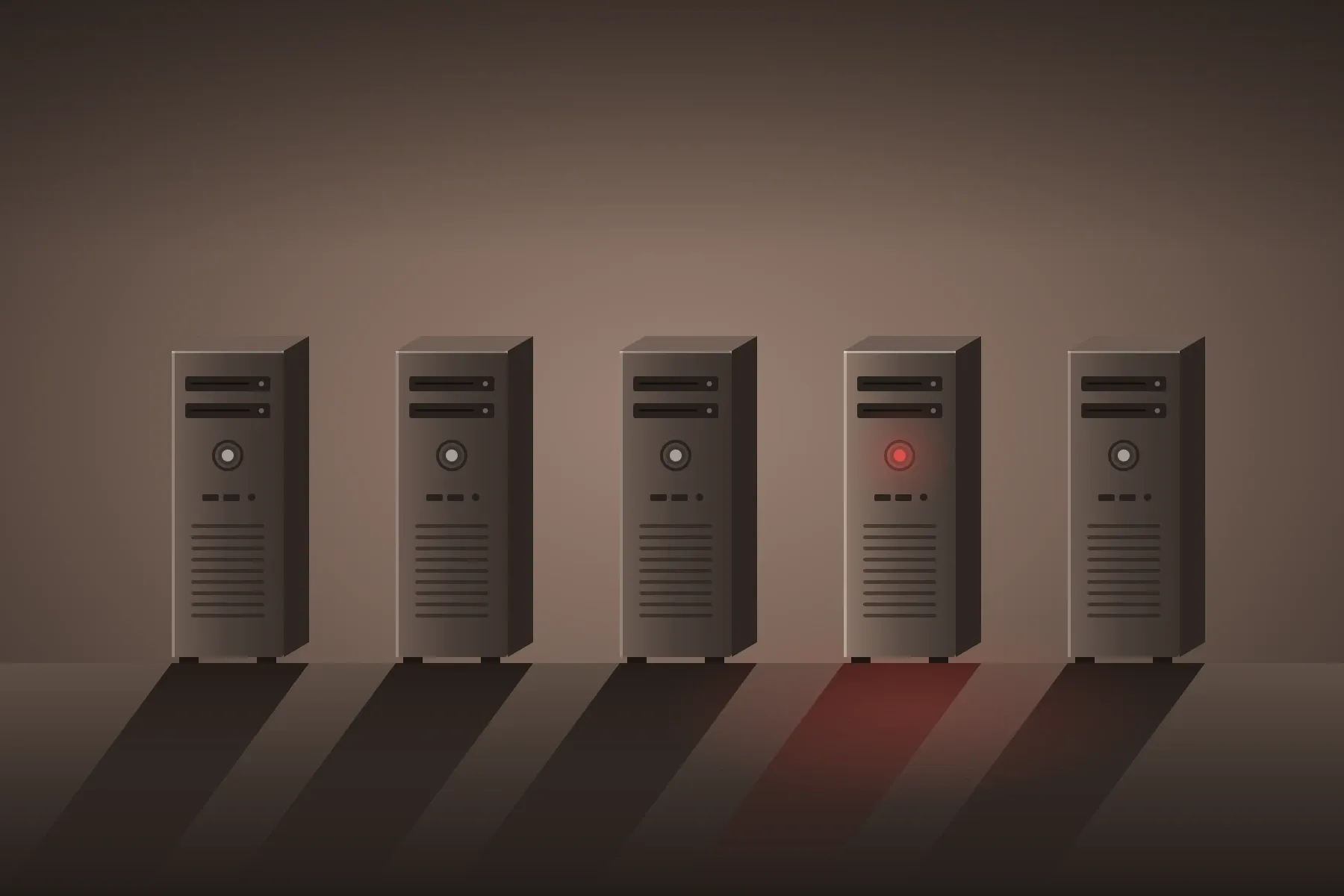
What Should Someone Be Doing When Nothing Is Broken?
Most businesses judge a provider on how fast problems get fixed. That covers half the job. The other half happens when nothing is wrong.
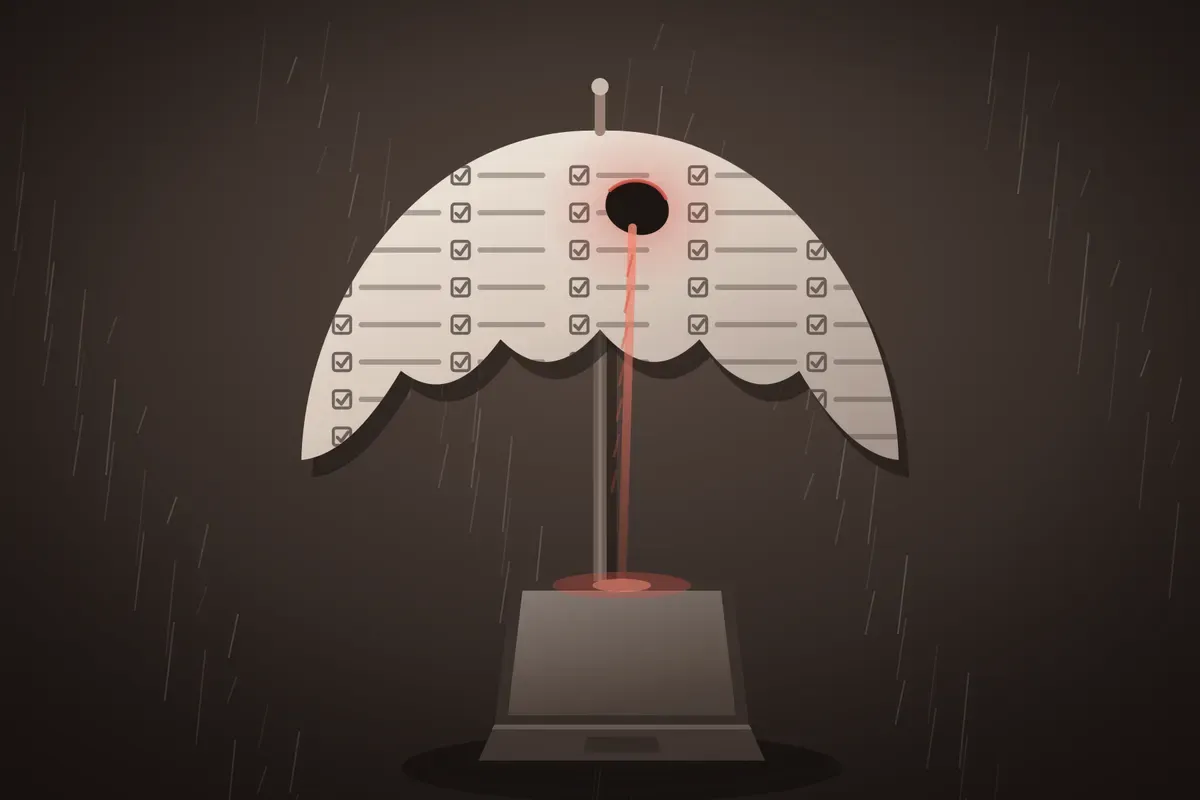
Your Cyber Insurance Policy Is a List of Promises
A policy is not a cushion. It is a signed account of how your business is defended, checked at the worst possible moment.

The Security Questionnaire Is a List of Break-Ins
Every question on a government bid's security form marks a way some supplier was once used to get into the agency above them.

The Email Looked Like It Came From Your CFO. It Didn't.
The message looks like it came from someone you report to, and the only thing wrong with it is who actually sent it.

Old Systems Fail Slowly, Then All at Once
That phrase has been around forever, and it is hard to argue with. If the systems are running and the team knows how to use them, why touch anything? The answer is not always obvious until something quietly stops being fine. There is more to this one than you might expect.

Get Your Computer Ready Before El Niño Hits
El Niño is on its way, and your computer probably isn't ready for it. Find out what extreme weather actually does to hardware and data, and what to do about it before the season hits.

Your Near Miss Is a Free Security Warning
Most businesses only find out how exposed they are when something goes wrong. But sometimes the warning arrives early. This article looks at four situations where disaster was a second away and asks whether luck is really the strategy you want to be relying on.

Where Your Data Goes After a Phishing Click
A phishing attack feels like it is over the moment someone realizes they clicked the wrong link. Change the password, warn the team, move on. But the data that was just handed over does not disappear. Here is what actually happens next.
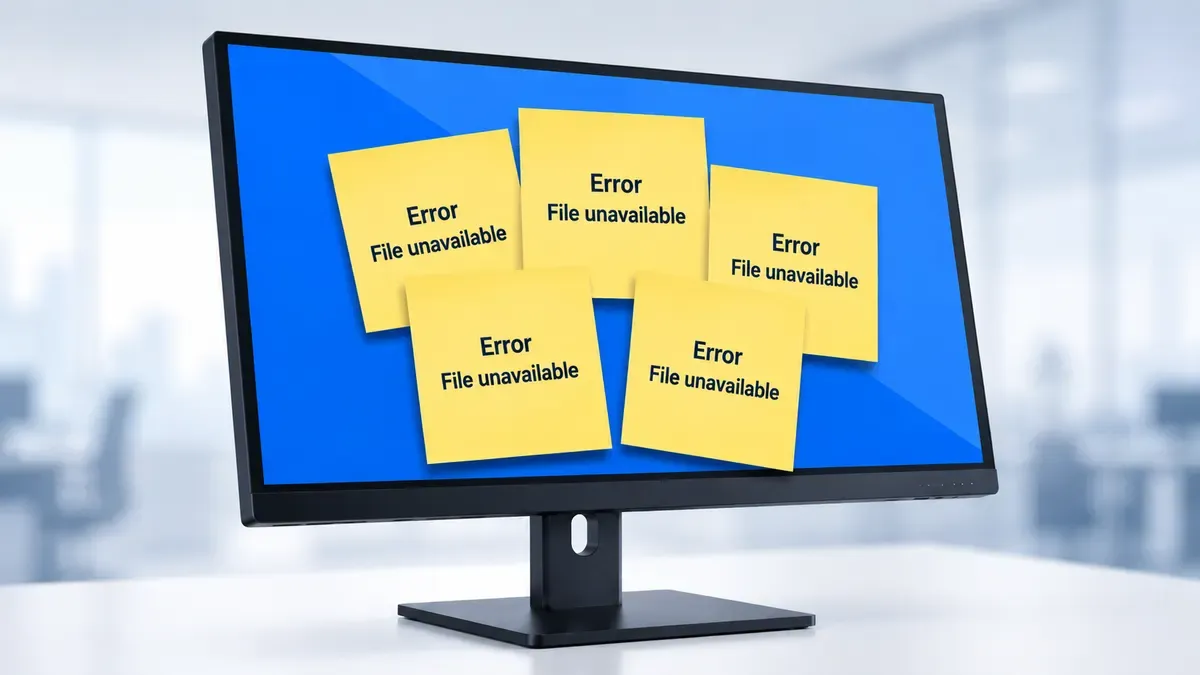
Stop Paying to Fix the Same IT Problem Twice
Called the same technician out for the same problem more than once? There's a reason that keeps happening, and it's not your equipment. Read on to find out what's actually going on.
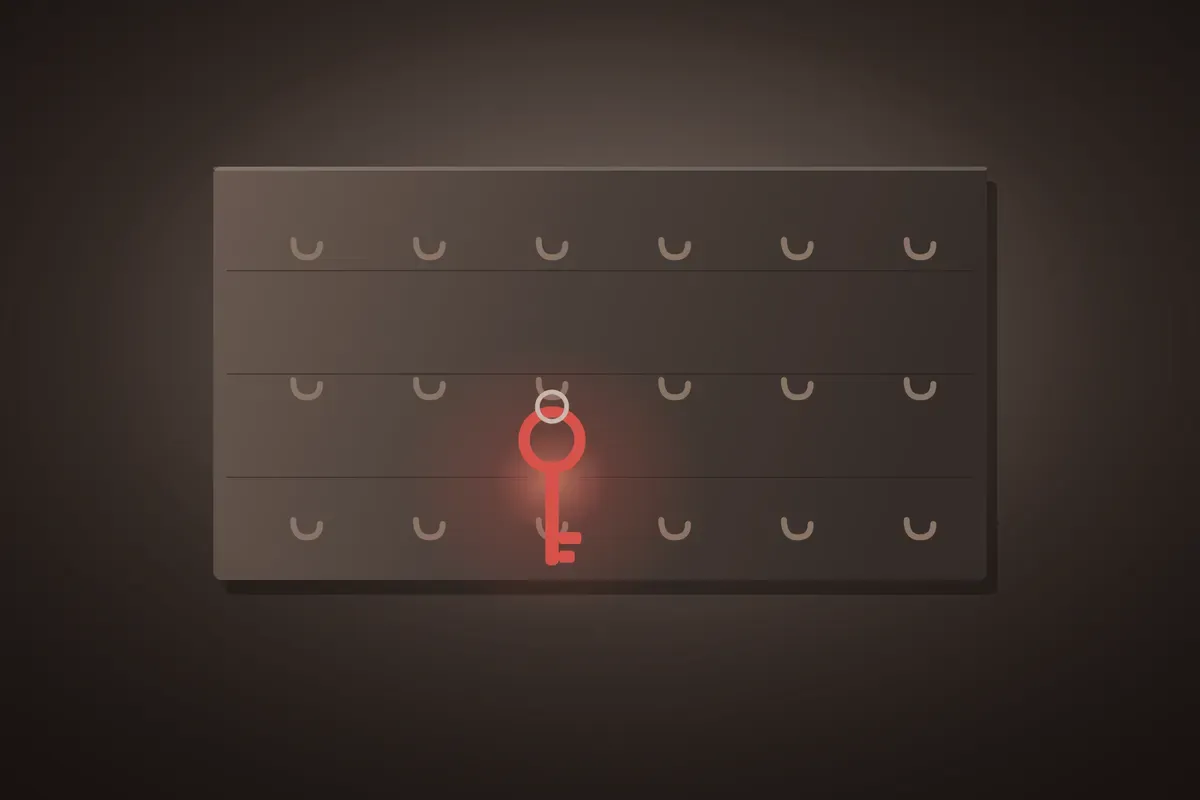
Your Data Lives in One Place. That Is the Whole Problem
One copy is not a backup. The drive works fine on Tuesday and is a paperweight on Wednesday, with no warning in between.
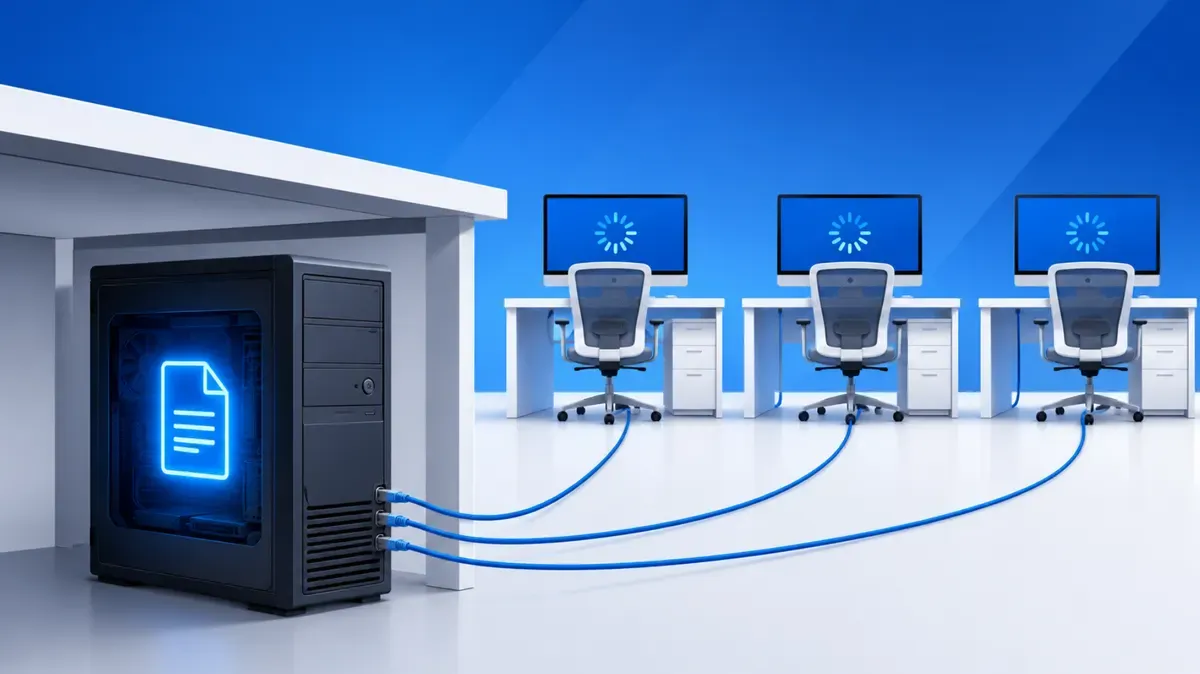
QuickBooks slowdown has nothing to do with software
If QuickBooks feels fast on one computer and sluggish on every other, most people assume it's a software issue. It usually isn't. The real cause is something that's easy to miss and surprisingly common in small business, and once you know what to look for, it's hard to unsee. Read on to find out what's actually going on.
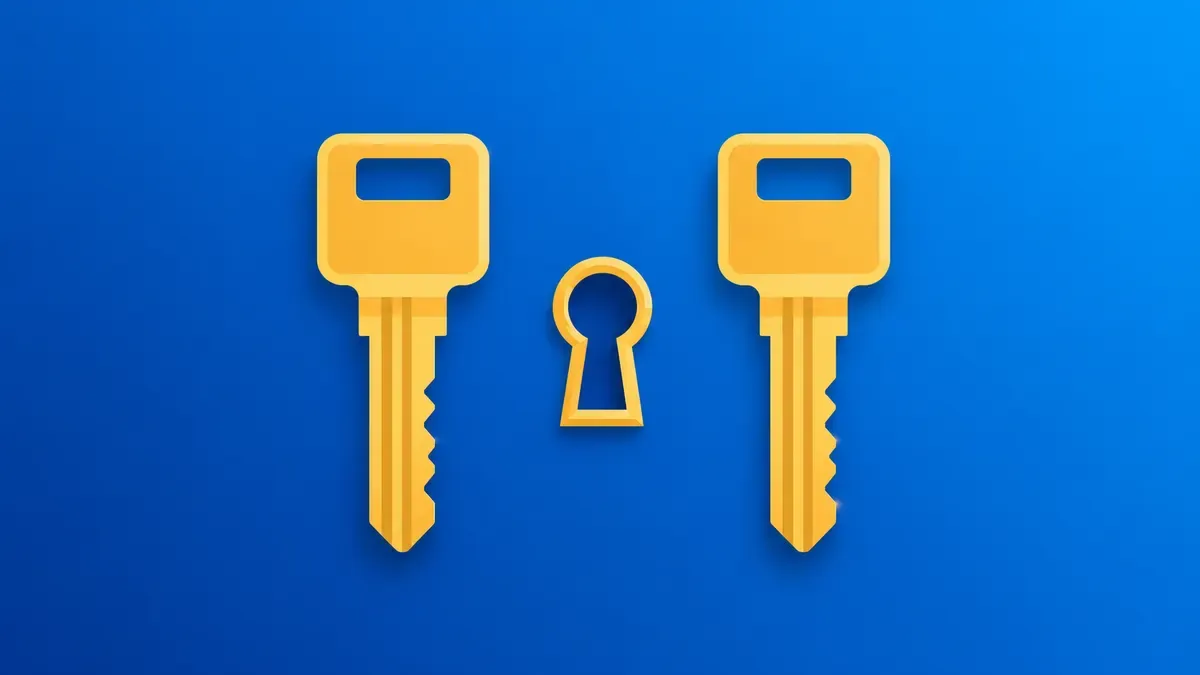
The IT talk to have before your partner's day one
Taking on a business partner changes more than the name on the door. It raises a question most people skip entirely: what does this person get access to, and who controls what if things go wrong? Before day one, there's a technology conversation worth having.
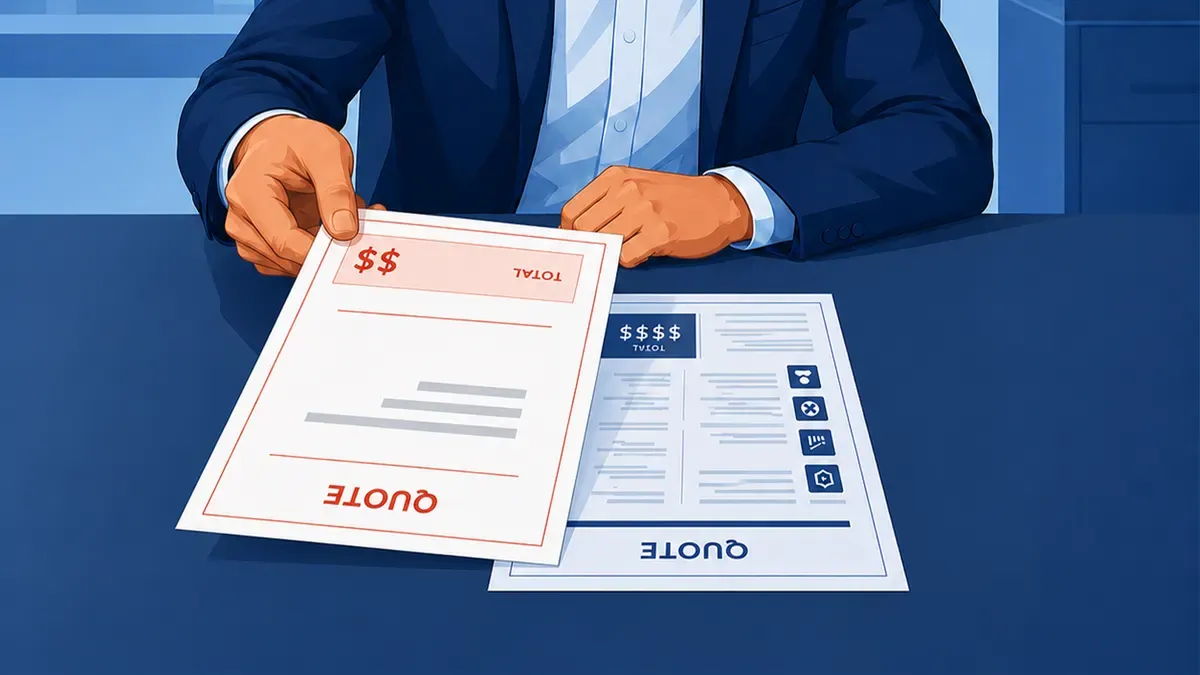
Cheap IT doesn't fail loudly, it fails later
You get two quotes for managed IT services. One is cheaper. Most businesses pick it. This article covers what actually gets cut to hit that lower price, and what it costs when someone else has to come in and clean it up.

Documented controls win contracts, not clean records
A lot of small businesses go for a bigger contract and get stopped before anyone even looks at their work. It is not their capability holding them back but a security questionnaire they were not prepared for. This one is worth reading before that moment arrives.

Your Browser Just Got a Scam Blocker. Is It Actually On?
One browser turned its scam blocker on for you. The other shipped it switched off and is waiting on one click from you.
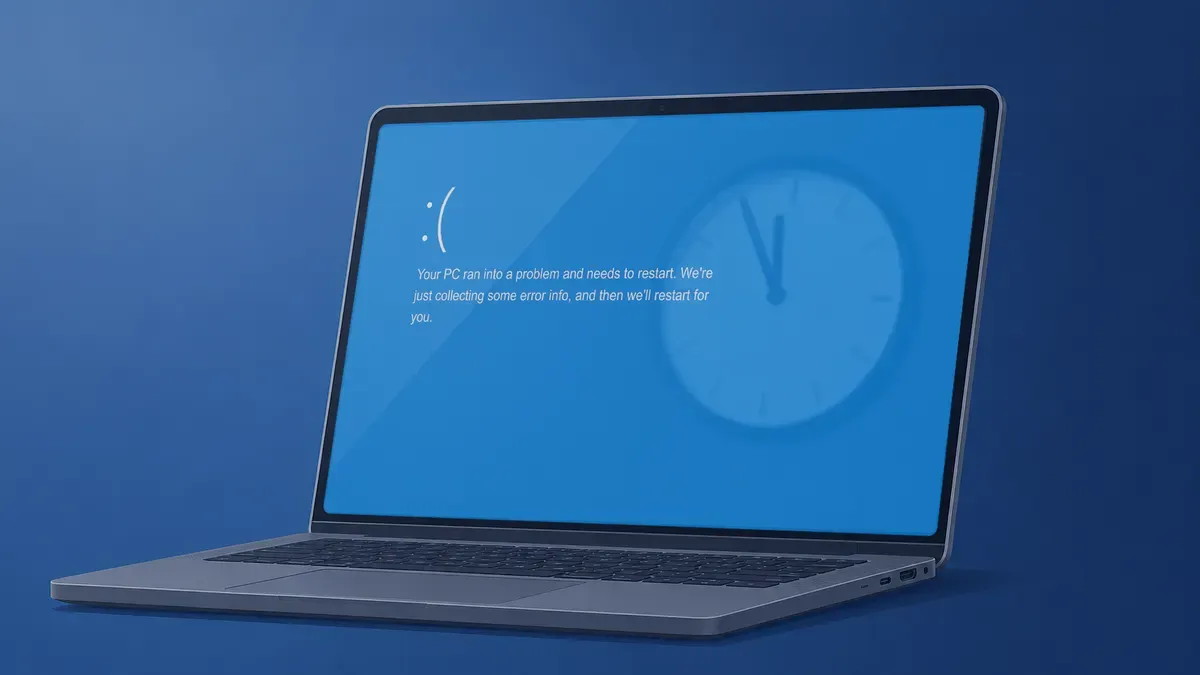
Backups that fail when you need them most
Tax season has a way of exposing whatever was quietly broken in the background. One failed laptop, five days before a deadline, and suddenly the backup nobody thought to check becomes the most important thing in the room. Read on to find out what actually separates a backup that works from one that only looks like it does.