Written for the person who signs for it.
Not how the technology works. What it does to a business when it stops, and what the decision in front of you is actually worth.
224 articles · page 2 of 10
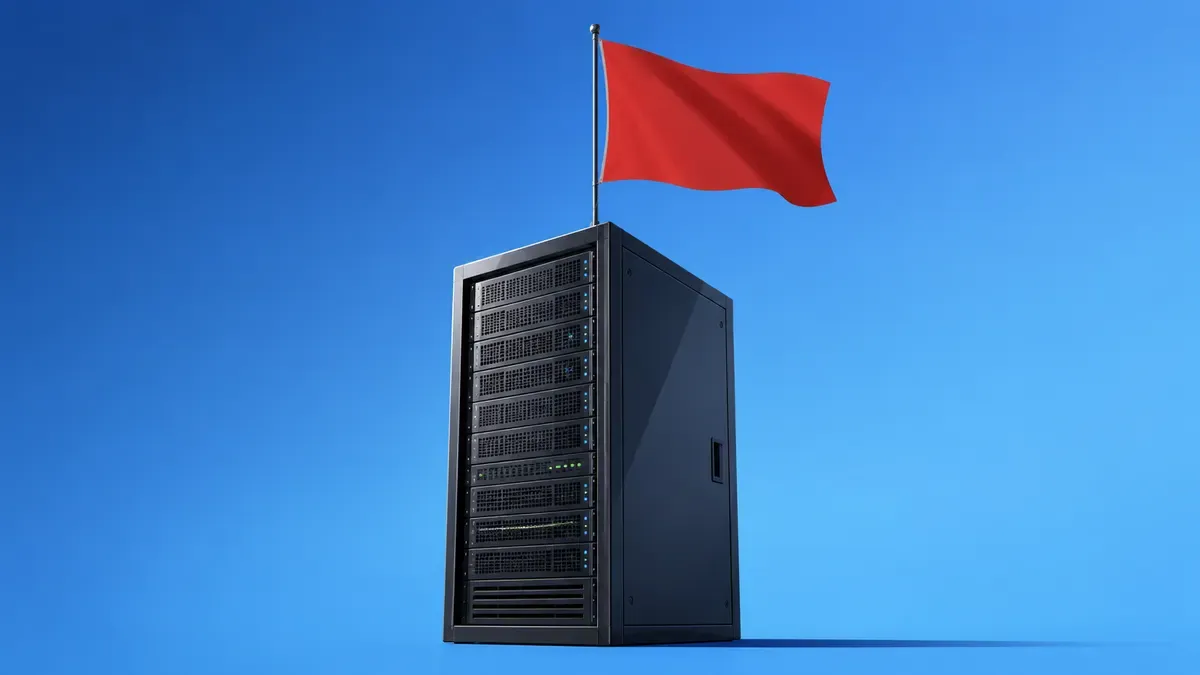
Where Your Business Data Actually Lives
You've signed up for cloud tools, accounting software, maybe a project management app. But here's a question most business owners have never thought to ask: where is that data physically sitting right now? The answer might surprise you, and it matters more than you think.
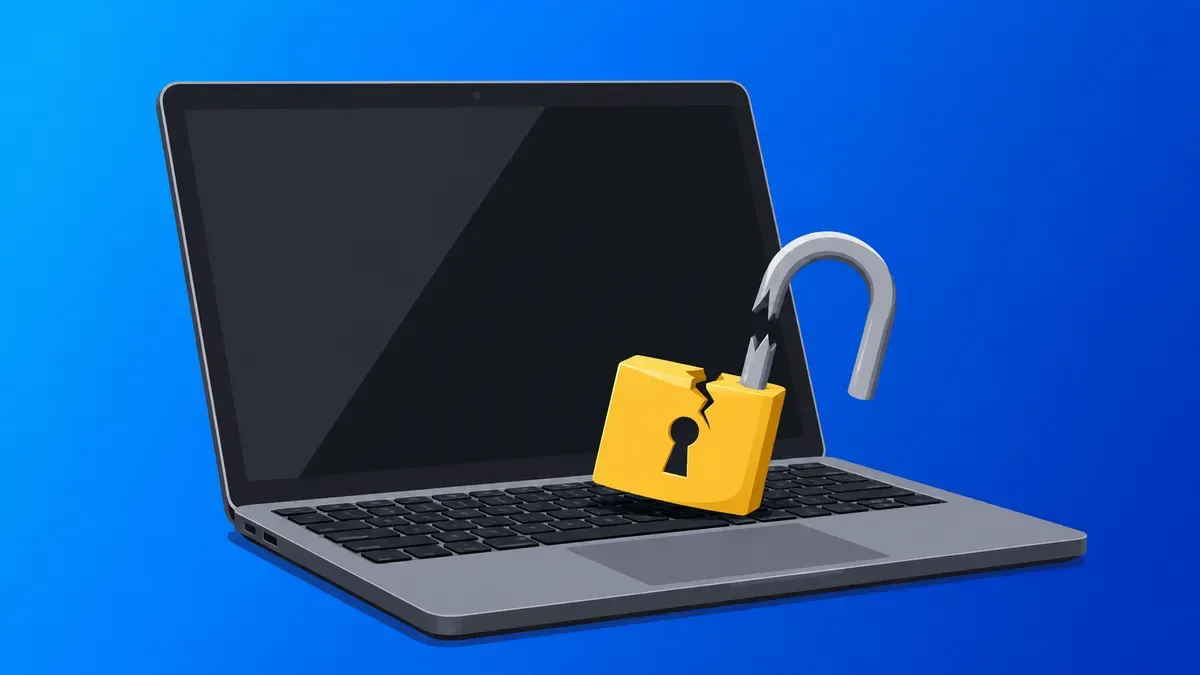
How a Physical Break‑In Becomes a Data Breach
Most business owners who get broken into file a police report, call their insurer, and consider it handled. But there's a part of a physical break-in that insurance won't cover and most businesses never see coming until it's already too late. This one is worth a read.
Paying for IT Security That Was Never There
How one client discovered their "managed" network had never been managed at all, and what we found when we opened the hood.
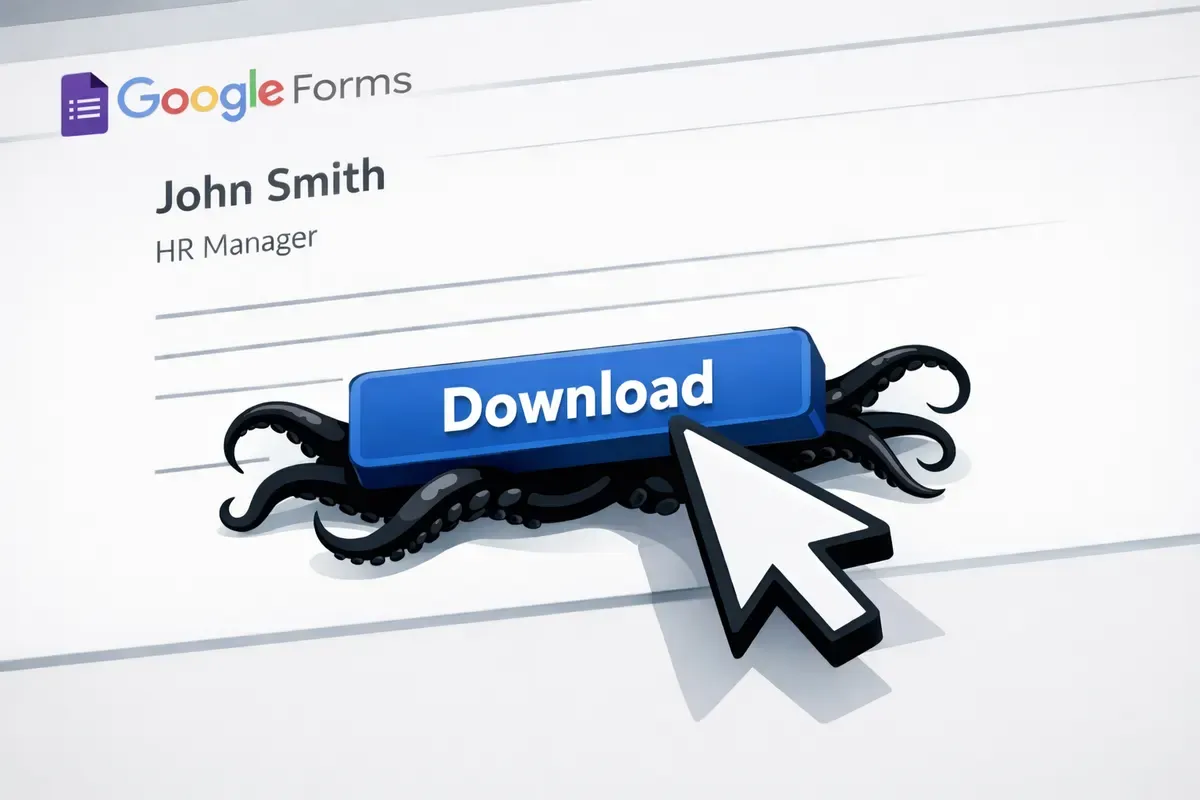
How scammers are using Google Forms to get in
Scammers have found a clever new way in, and it starts somewhere you'd never suspect: a Google Form. If you or someone you know is job hunting, this one is worth a read before clicking anything that looks like an opportunity.

Paying for IT you no longer use without knowing it
You know what you pay for rent and payroll. But do you know what you are spending on IT you no longer use? Old laptops gathering dust, software renewing on autopilot, duplicate accounts nobody coordinated. This month's article reveals where to look and how much you might be losing without realizing it.
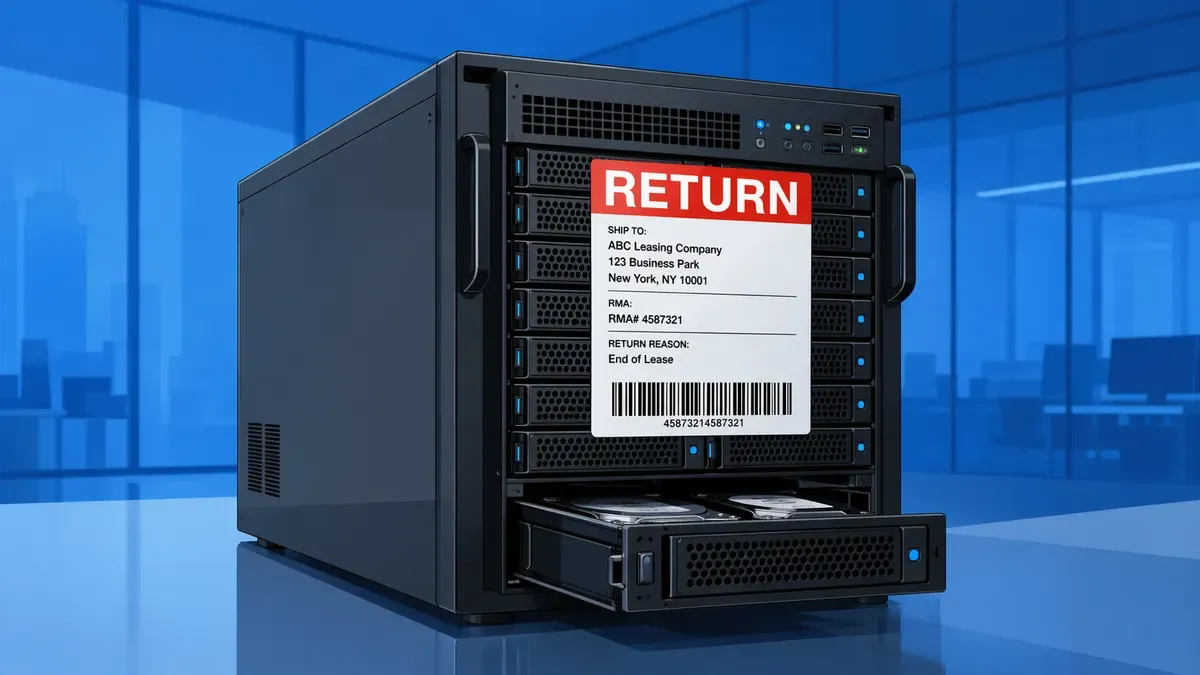
What happens to your data after hardware is returned
Most businesses sign a hardware lease, file the paperwork, and never look at it again. The servers arrive, do their job, and years pass. What tends to get missed is what happens at the other end: when the equipment goes back, where it goes, and what is still on it. This one is worth a read before that conversation becomes urgent.

The real cost of a broken first week on the job
Most businesses measure the cost of a bad hire. Almost none measure the cost of a bad first week. If your new staff member spent their first day waiting on a login, chasing a software license that belonged to someone who left, or borrowing time from a colleague just to get started, that is not a people problem. Read on to find out where the process actually breaks down.
Why ransomware hits even businesses with backups
Most business owners feel safe knowing their backups are there. What they don't know is that for a growing number of ransomware victims, the backups were already gone before the ransom note ever appeared. Read on to find out how that happens, and what it means for you.

If staff use AI without guidance, risks follow.
If your staff have access to AI tools and you haven't given them any guidance, the safe assumption is they're already using them. This month we're looking at what that means for your business and what good oversight actually looks like.
Proving security matters as much as having it.
Most businesses have some security in place. Very few can actually prove it when someone asks. This month's article covers what "reasonable security" means in a legal context and why the documentation matters just as much as the measures themselves.
Why the cheapest IT quote often costs the most.
When two IT quotes land on your desk and one is notably cheaper, the instinct is to ask what the expensive one is charging for. The better question is what the cheap one has left out. Read this month's article to find out.
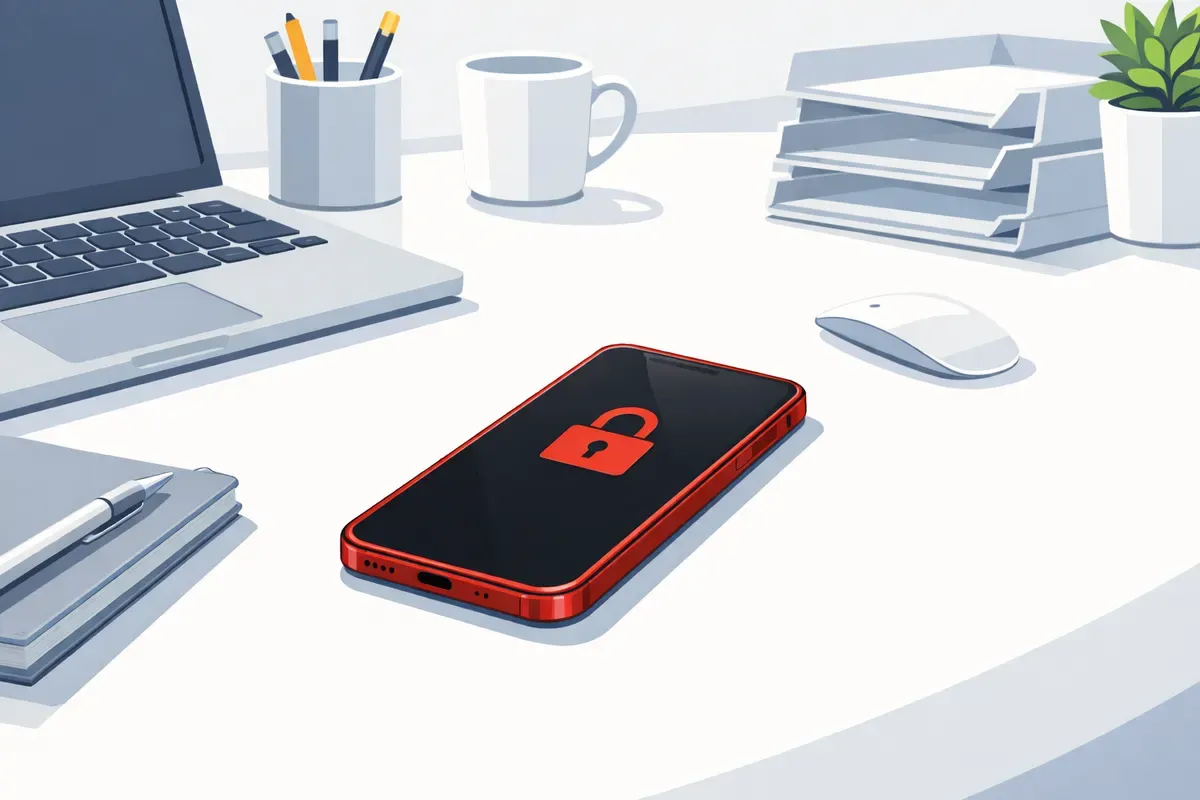
Personal device on your network: hidden risks.
Your newest employee connected their personal device to your network today. Nobody told them not to. Here is what that means.

Stop IT pauses before they become problems
You know that moment in a meeting where someone asks a simple question about your IT, and the room goes just a little quiet. It only lasts a second or two, but it sticks. This article breaks down why that pause matters, and how to make sure it never happens again.
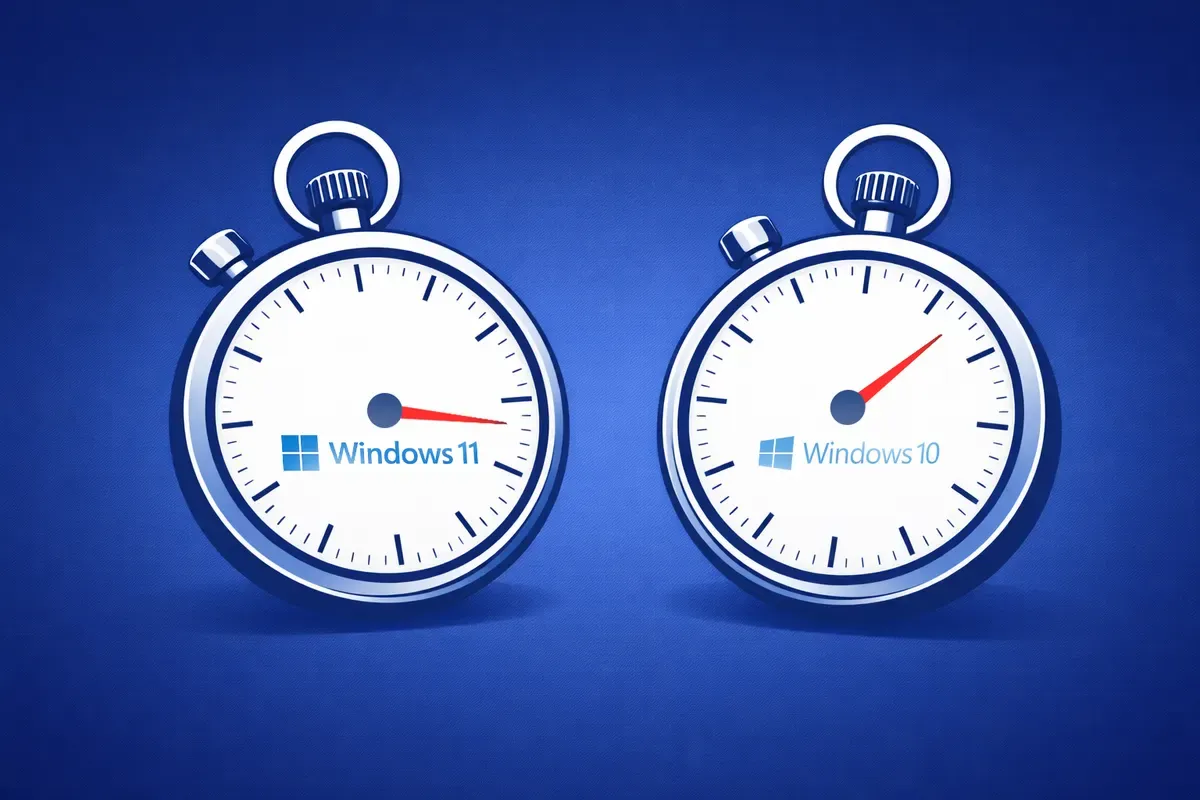
Why Windows 11 feels slower
Upgraded to Windows 11 and now your computer feels slower? There’s a reason for that. Here’s what changed, and how we fix it.
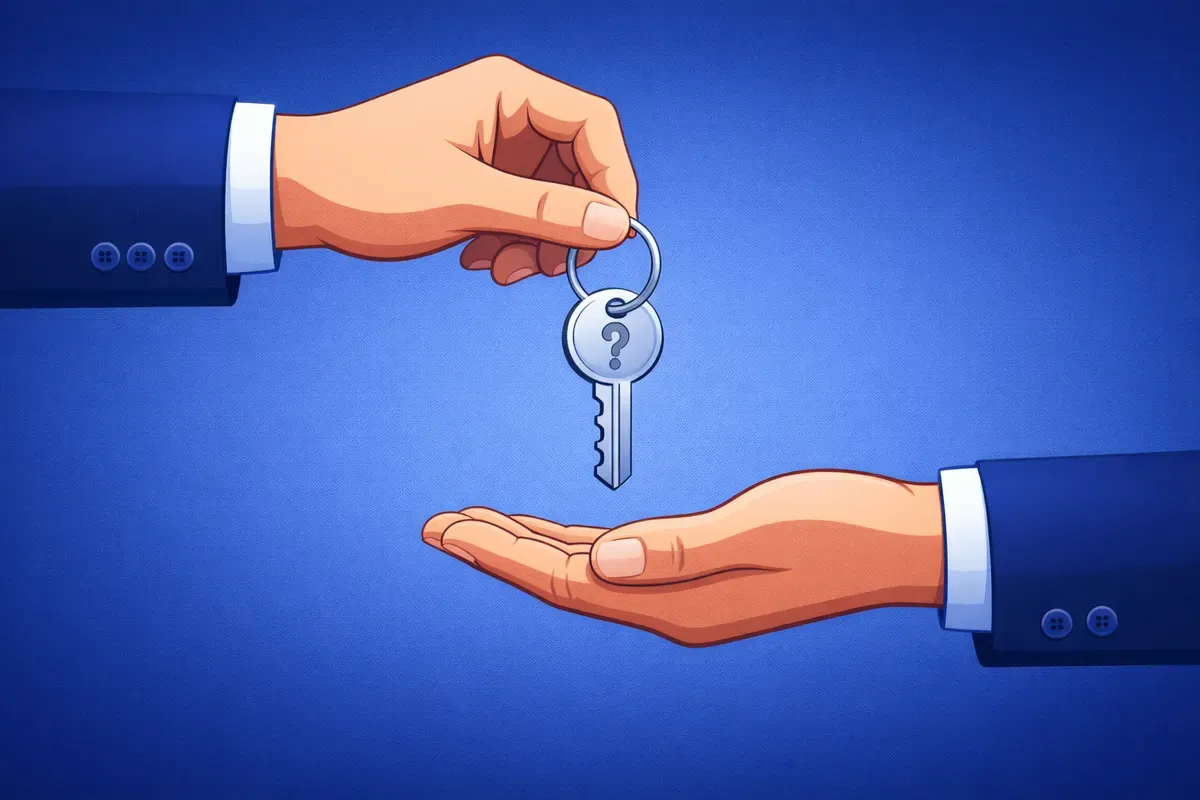
Know what tech you actually bought
You just bought the business. The keys are in your hand. But do you actually know what you bought when it comes to the tech?

Could ransomware take you down too
The business down the road just got hit with ransomware. They had antivirus. They had passwords. They thought they were fine. Now they’re rebuilding from paper. If that happened to you tomorrow, how different would your situation really be?

When updates break your systems
You walk into the office expecting a normal day. Instead, nothing works quite right. No one touched a thing. No one clicked anything suspicious. Yet the problems are real. This article explains what is really going on behind the scenes, and why it keeps catching businesses off guard.

Calm comes from clarity, not fewer IT issues.
Most business owners are not stressed because IT is broken. They are stressed because they do not know which issue will be the one that actually matters. Read the full article to see why calm comes from knowing, not from fewer problems.
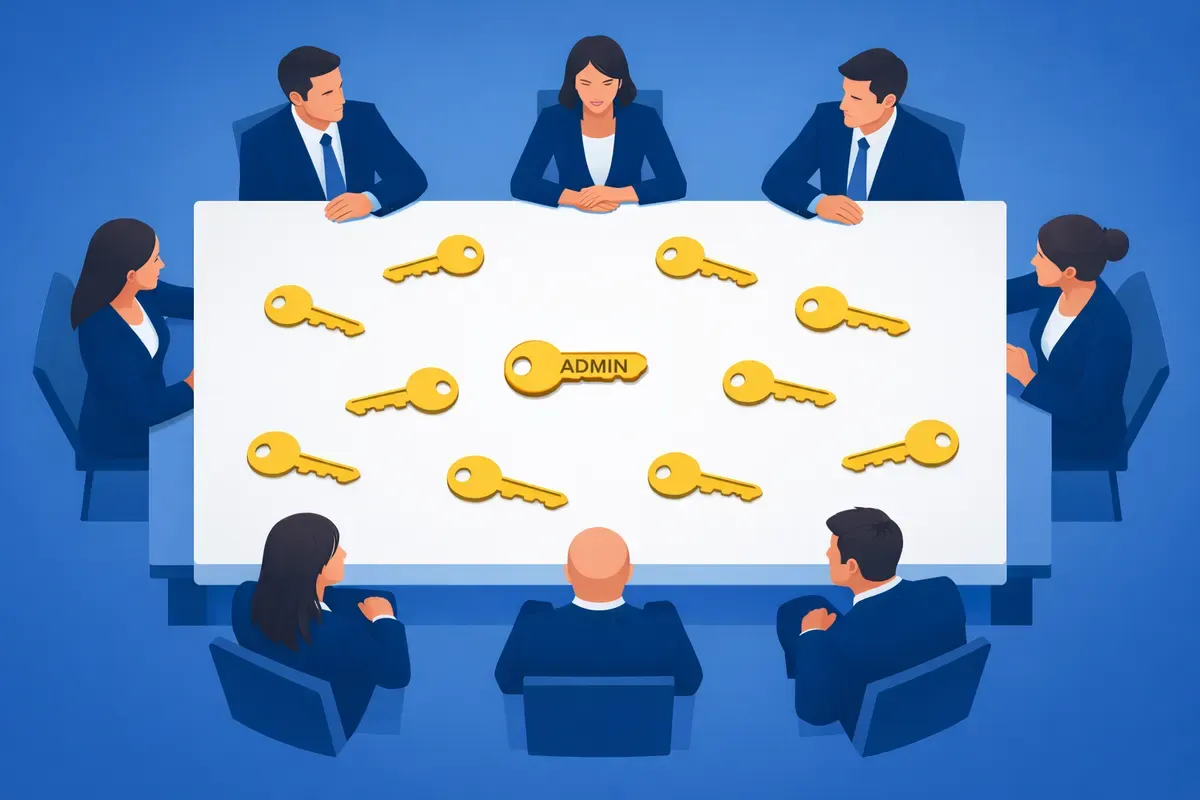
Real risk is broad access, not computer failure.
Most business computers work just fine. The risk is not failure, it is how much access everyone quietly has. This article explains why that matters and what to review.
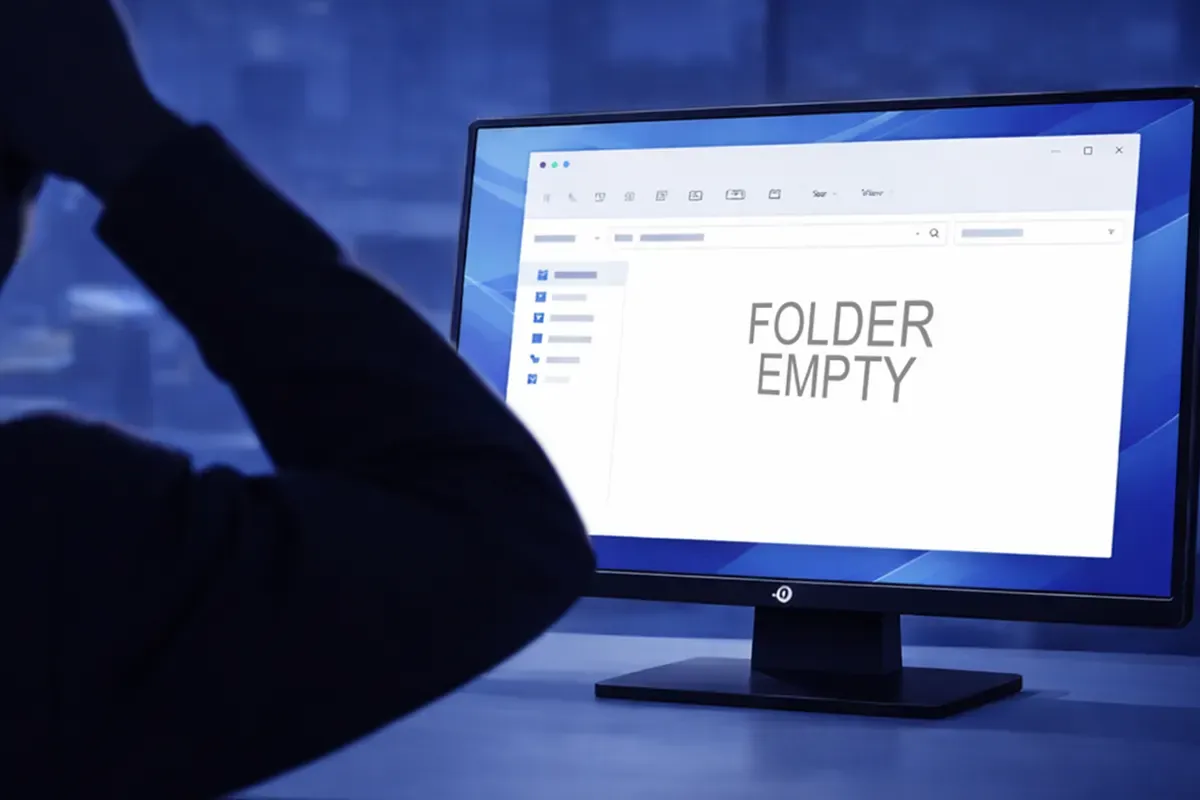
Why files vanish in small businesses and signal deeper.
Ever had a file disappear and nobody can explain how? Not hacked, not deleted on purpose, just quietly gone. This is about why that keeps happening in small businesses, and why it usually points to a bigger problem hiding underneath.
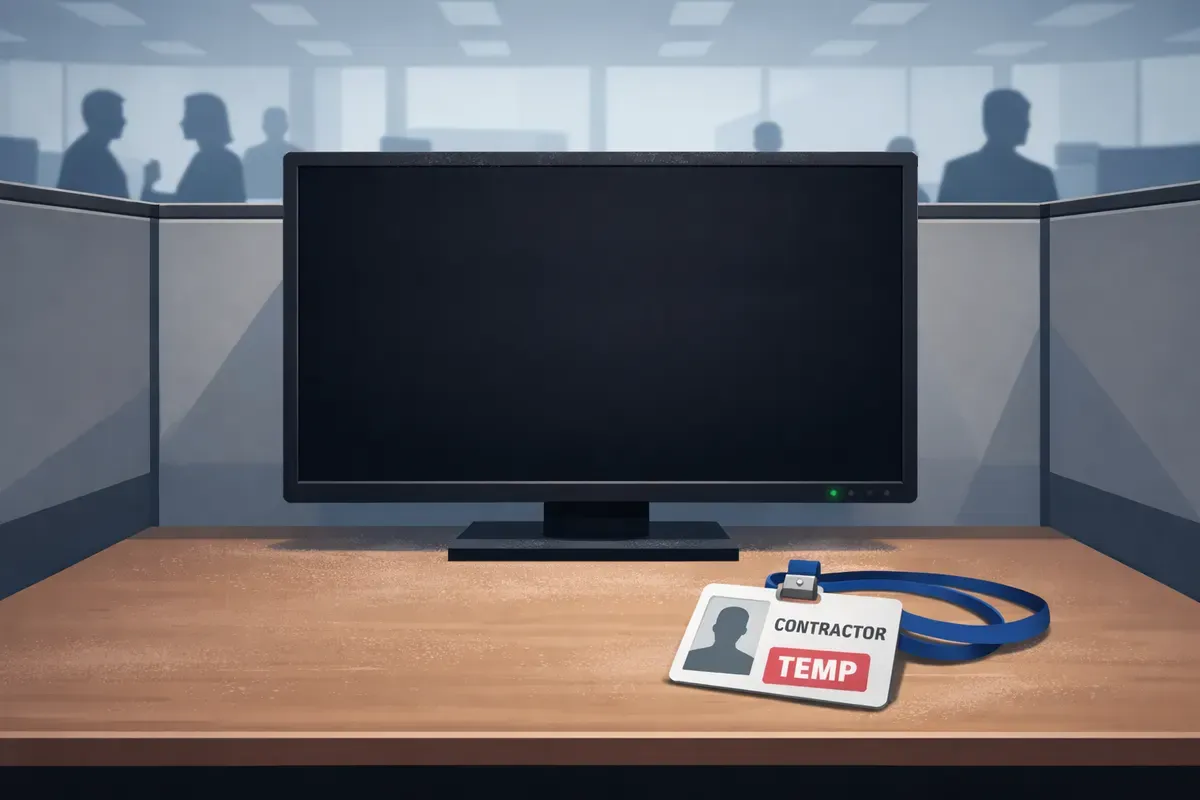
Temporary file shares become long‑term risks.
Temporary file access almost never gets cleaned up. What starts as a quick share quietly turns into long-term exposure as files grow and people move on. This article explains why it happens and how to stop it before it becomes a real problem.
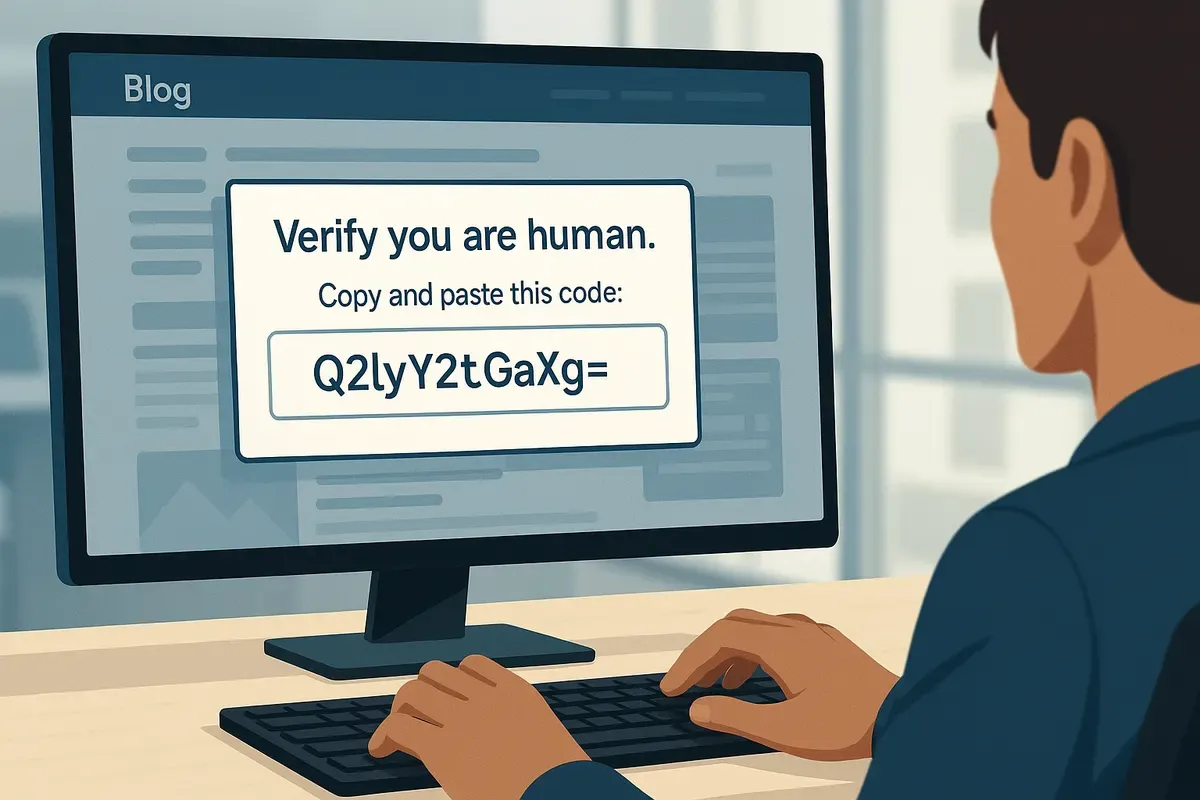
ClickFix attack that doesn’t look like a scam at all.
Most people know not to download suspicious files anymore. The problem is the scams have adapted. There’s a newer version of the ClickFix attack that doesn’t look like a scam at all. It looks like something you already trust. This one catches people off guard, and that’s what makes it dangerous.
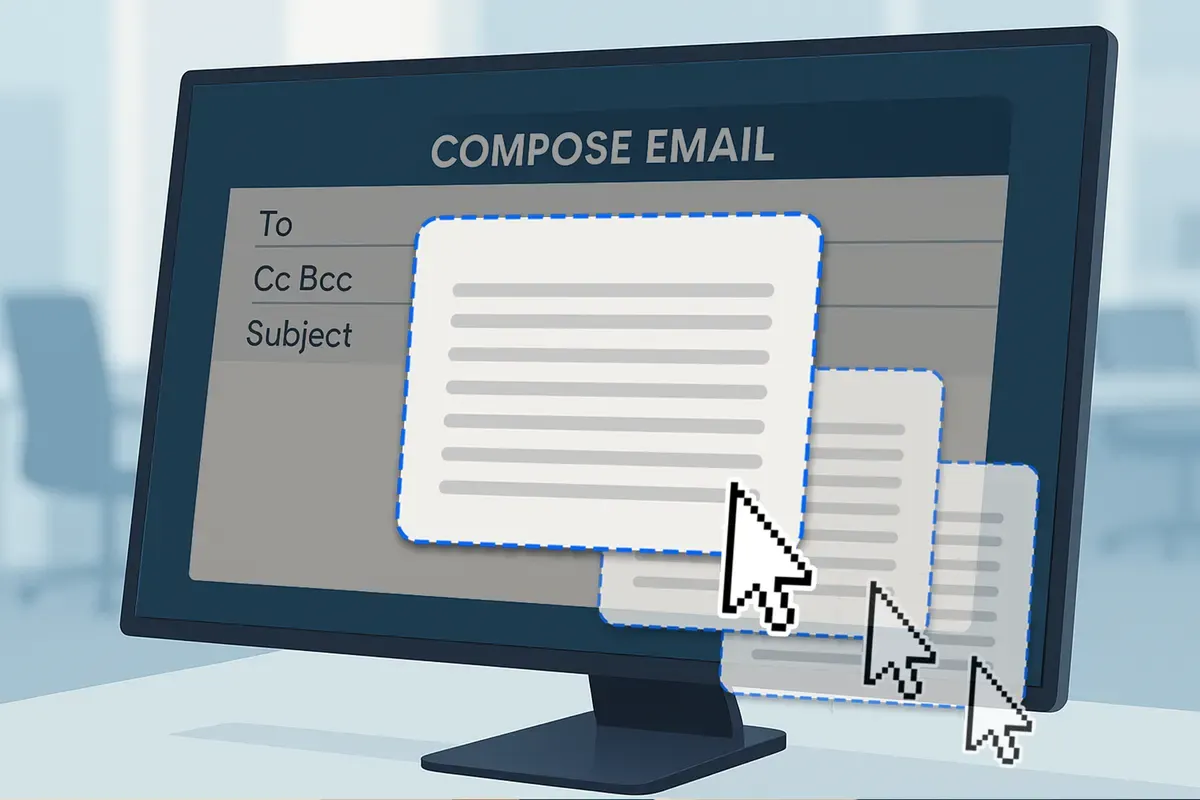
Email templates are useful and save time.
Email usually works well enough that no one questions it. But small habits inside the inbox can quietly stretch the workday longer than it needs to be. This article looks at one simple change that removes repeated effort without changing how anyone works.
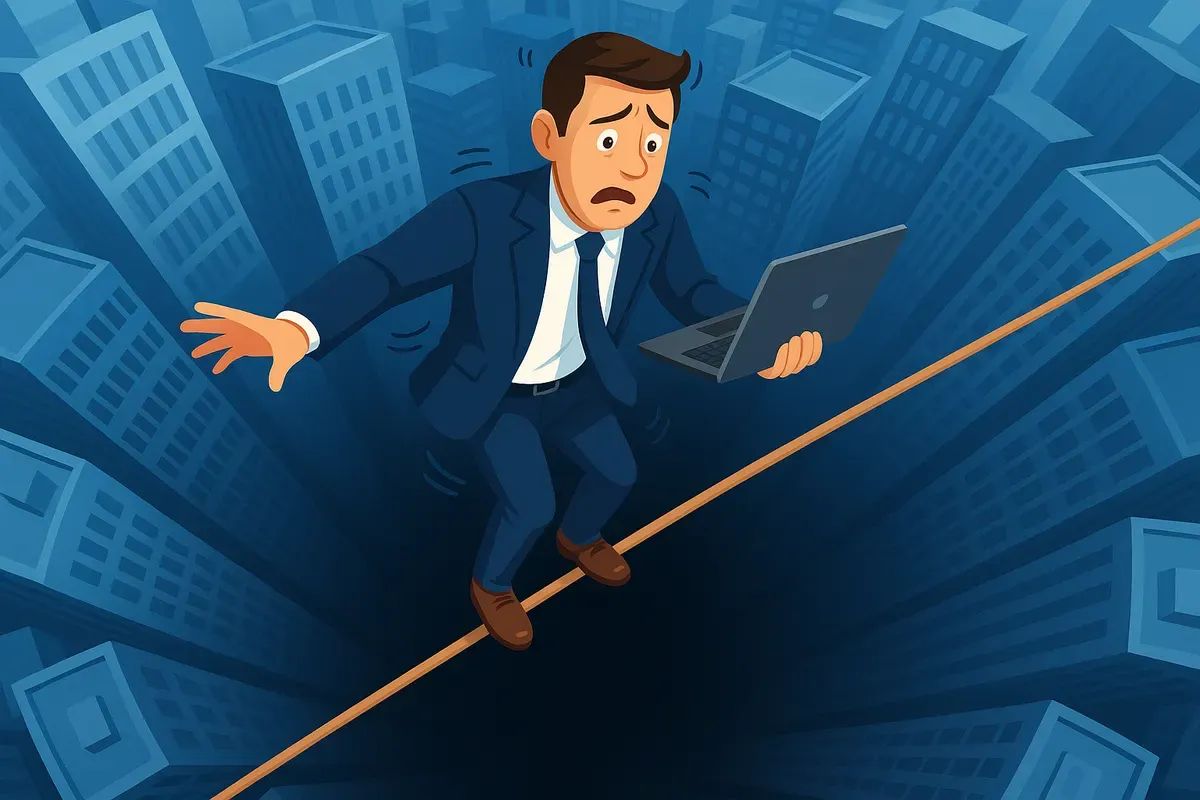
Small businesses are just at risk as large businesses.
Small businesses often assume the biggest risks belong to the biggest companies. The reality is the threats are the same, but the margin for error is far smaller. This article explains why.